The workplace has increasingly become an extension of our home life, with the typical workday lasting 8 to 10 hours—surpassing the time many of us spend with family. This reality makes it essential to cultivate a workplace that mirrors the comfort and personalization of home, giving employees the autonomy to select:
- The degree of privacy they seek.
- Their desired level of engagement and focus.
Despite the collaborative spirit fostered by modern open-plan office designs, they present unique acoustic hurdles. The presence and quality of sound can significantly sway our mood, health, and efficiency, making the integration of thoughtful acoustic solutions a must in today's office landscapes.
The Acoustic Downside of Open-Plan Offices
Among the recurring complaints to facility managers are excessive background noise, suboptimal acoustics, and insufficient privacy. Research from the Center for the Built Environment at UC Berkeley and a separate study from the UK indicate that over 50% of workers feel hindered by poor acoustics in performing their daily tasks. Moreover, noise and chatter lead to concentration loss for nearly a third of employees. These challenges cannot be overlooked, as they can lead to a disengaged workforce and a decline in productivity and profits. Crafting an environment that supports joy and health involves identifying noise reduction strategies that alleviate fatigue and stress, boosting productivity and overall well-being.
The Role of Natural Elements in Workspace Design
Air, light, materials, and sound are indispensable for a workspace that nurtures happiness and health.
We share a deep bond with our ancestral roots, which thrived through an intimate connection with nature's elements. However, the past half-century has introduced discordant sounds—ringtones, air conditioning hums, and mechanical ventilation—that can lead to discomfort and fatigue. Our primal instincts may perceive these sounds as threats, triggering discomfort. Thus, it's vital to integrate these natural elements into workspace design to foster an environment conducive to well-being and productivity.
Incorporate natural materials to forge an office environment that feels organic and inviting. Opt for materials with tactile appeal, such as fabrics and wood, over harsh synthetics like plastic. Studies suggest that biophilic design can enhance overall well-being by 20%, reduce stress, lower blood pressure, and induce a more relaxed state.
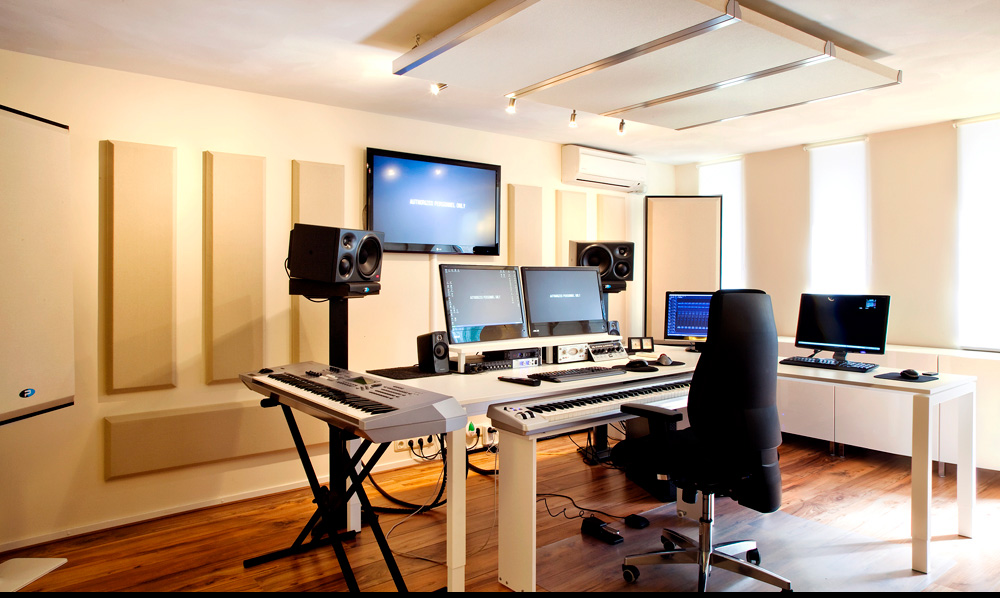
Striving for a harmonious room that considers sound and environmental noise is essential for nurturing employee well-being. It is crucial to strike the right balance in the office environment to prevent sound from undermining focus or productivity.
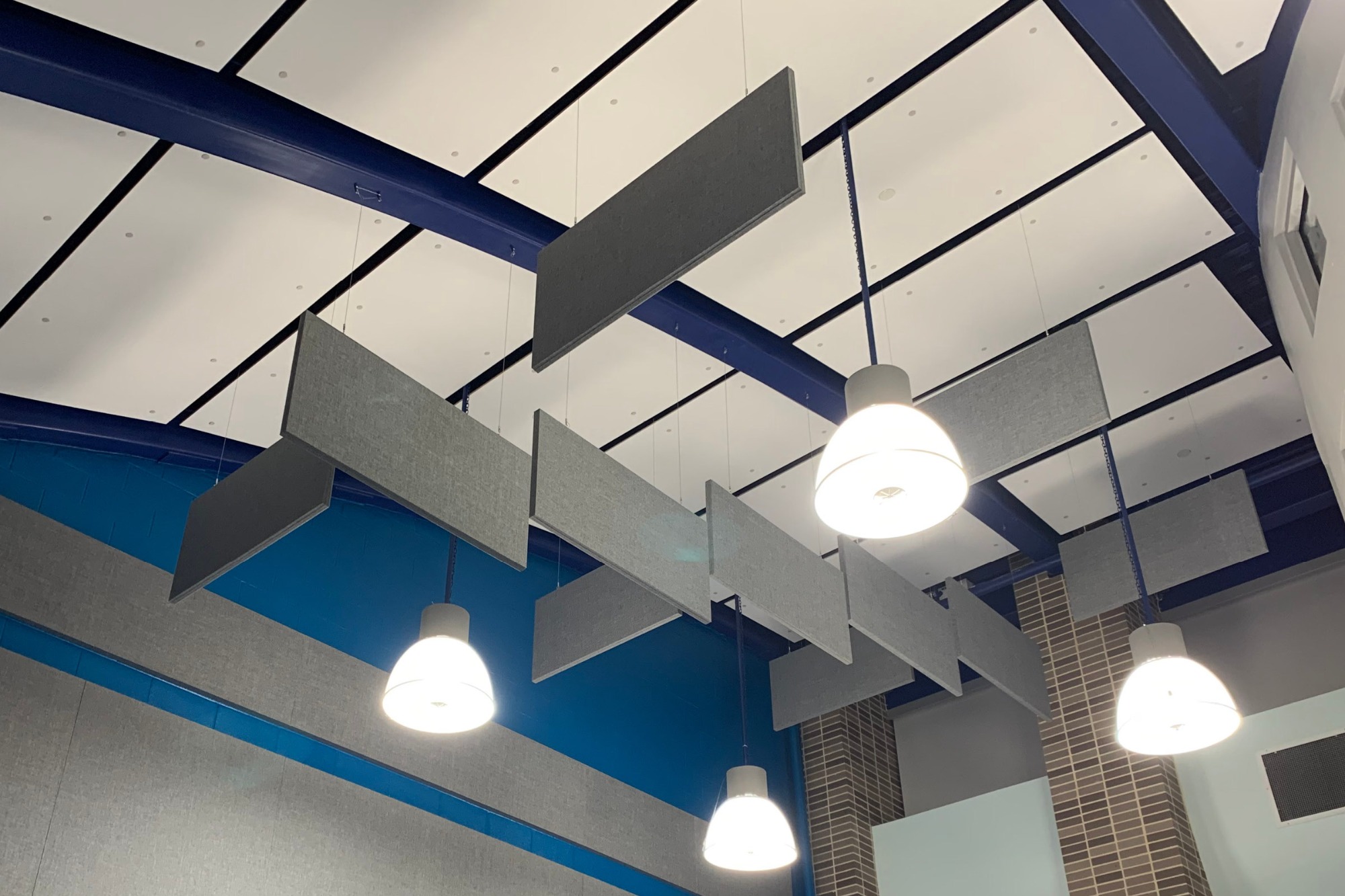
Effective lighting also plays a role in enhancing performance and well-being. Good lighting can stave off fatigue and increase overall productivity. Moreover, spaces in need of acoustic treatment may also benefit from acoustic lighting, a design that integrates sound absorption with illumination, without occupying additional space or disrupting the office layout.
Happiness: A Personal Commitment
In conclusion, happiness is a state of contentment and health for both mind and body. Our mission is to foster employee well-being by creating environments that are not only joyful but also nurturing. Explore our recent global projects to discover more about the creation of blissful and salubrious workspaces.
Incorporating advanced audio equipment such as subwoofers and line array systems in office spaces can significantly enhance the auditory experience during presentations or relaxation periods, contributing to a more dynamic and engaging environment. Moreover, investing in a high-quality stage sound system can elevate company events or meetings, ensuring every voice and note is heard clearly, fostering better communication and a more connected workforce.