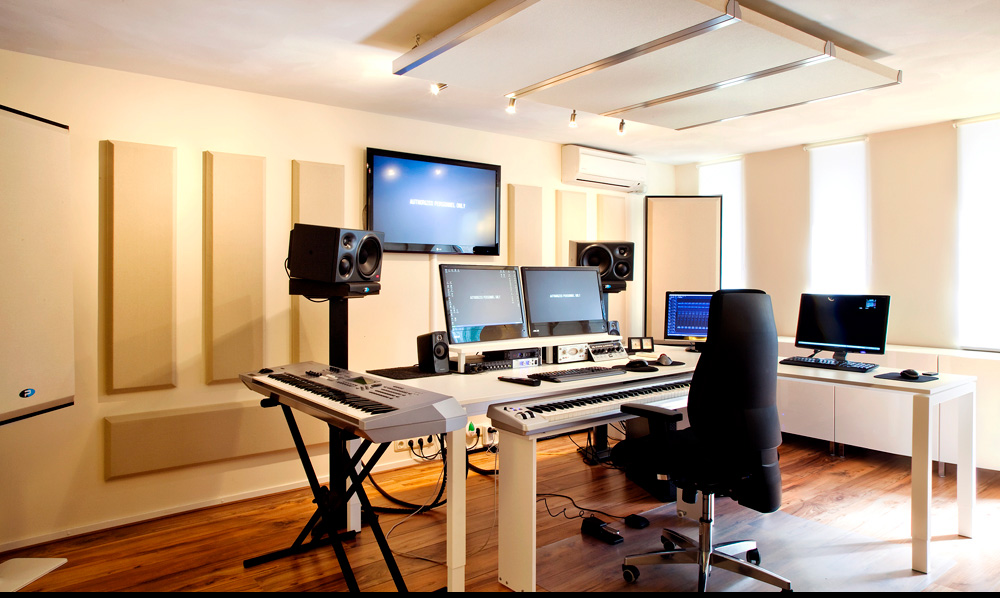
Embarking on the journey to enhance the sonic landscape of your home studio can seem daunting, but with the right approach, you can achieve remarkable results without breaking the bank. The audio professionals have honed their skills over time to adeptly manage sound reflections, a critical aspect of achieving pristine acoustics. Even with a modest budget, it's possible to cultivate an environment that delivers a balanced and accurate sound, much like what you'd find in a high-end studio setting.
To sculpt a listening space with a neutral frequency response, it's essential to focus on the nuances of low-frequency behavior, the room's inherent frequency characteristics, and the strategic use of sound-reflecting materials. The goal is to craft a space where frequencies are neither exaggerated nor suppressed.
Imagine a scenario where your home studio has an excess of bass at 150Hz. You might be tempted to use an EQ tool in your digital audio workstation (DAW) to attenuate this frequency. However, this could lead to an imbalance when your mix is played back in a different, acoustically treated environment. While discerning these frequencies by ear requires practice, there are well-established methods to refine your listening space.
Here are six strategic tips to guide you in setting up an acoustically balanced home studio:
- Address Bass Frequency Accumulation in Room Corners
In well-treated acoustic spaces, bass traps are strategically placed in corners to mitigate the accumulation of low frequencies, especially in smaller to medium-sized rooms. Excessive bass energy in corners can distort your perception of the frequency response. Bass traps help absorb this energy, leading to a more accurate listening experience.
- Creative Use of a Mirror
Utilizing a mirror in your home studio setup might seem unconventional, but it can be instrumental in identifying areas for acoustic panel placement. Sound reflections are an inevitable part of any listening environment, and understanding where they occur is crucial. By using a mirror to reflect your speakers from your listening position, you can pinpoint areas where wall panels can significantly enhance acoustics.
- Balancing Diffusion and Absorption
Acoustic treatment is not solely about absorption; diffusion plays a vital role as well. Diffusion scatters sound waves, preventing them from being absorbed excessively, which could result in a lifeless room. Untreated rooms can trap frequencies, disrupting the natural tonal balance of your music. Diffusers help disperse these frequencies evenly, avoiding frequency traps. Achieving the right balance and placement of diffusers and absorbers is essential for transforming your listening space into a vibrant and accurate environment.
- Clarifying the Difference Between Soundproofing and Acoustic Treatment
Confusion often arises between soundproofing and acoustic treatment. While the latter is aimed at creating a neutral environment for mixing and mastering on monitor speakers, the former is about blocking external noises from entering your studio. Your home studio's ideal location would be in a quiet, undisturbed area. However, external noise can be an issue, especially when using sensitive microphones for recording.
The level of soundproofing you can achieve depends on various factors, including cost, room type, and the level of external noise. Methods to reduce external noise range from simple and affordable solutions like acoustic caulk to more complex and costly wall densification.
- The Impact of Furniture on Room Acoustics
Filling your studio with furniture can significantly influence the acoustics. An empty room, especially one with hard flooring, will naturally produce reflections, leading to reverb. This can be picked up by sensitive microphones, particularly during vocal recordings.
- Creating a Mobile Acoustic Environment
Not everyone has the means to install permanent acoustic solutions like foam or diffusers. For those facing such constraints, consider using movable acoustic panels. While not ideal, these panels can be positioned around your listening area to reduce reflections significantly. The benefit is that they can be easily stored when not in use, allowing for a flexible and unobtrusive improvement to your listening space.
In conclusion, there's a spectrum of solutions for acoustically treating your home studio, from cost-effective to high-end. The tips outlined above serve as a solid foundation. Additionally, a wealth of online resources, including YouTube tutorials and podcasts, can provide further guidance on optimizing your home studio setup. As you progress in your mixing and mastering journey, these improvements will lead to a more refined listening environment, ultimately enhancing the quality of your mixes
usechatgpt init success