Navigating the world of sound control can be complex, with a plethora of terms for sound-absorbing materials such as acoustic baffles, sound panels, and acoustic boards. For simplicity, this guide will use the term "acoustic panels" to encompass all these sound-dampening solutions. These panels are not just named for their function; they serve various purposes and can be adapted to different settings.
This guide aims to demystify acoustic panels and address key questions:
- What constitutes an acoustic panel?
- Under what circumstances should you deploy acoustic panels?
- How and where should you strategically place acoustic panels?
An acoustic panel demystified:
As the array of acoustic solutions expands, acoustic panels continue to be a favored method for noise reduction. They're versatile, applicable in a variety of settings beyond just suspended baffles, such as offices, studios, or meeting rooms. This guide will explore a spectrum of these solutions, starting with a clear definition: an acoustic panel is a device designed to absorb sound and diminish ambient noise, reverberation, and echoes within an enclosed space. Both wall-mounted and ceiling-hung panels are classified as "acoustic panels," and their effectiveness can be augmented through absorption, diffusion, and sound wave reduction techniques.
When to implement acoustic panels?
Having established a clear understanding of acoustic panels, let's delve into the optimal moments for their use.
As mentioned, wall and ceiling-mounted panels offer unique acoustic benefits. Let's expand on that:
— Taming sound transmission with vertical acoustic panels
Generally, vertical panels are effective at curtailing sound transmission within a room, preventing it from moving across the space. They can also help to lower ambient noise levels. For example, in contemporary open-plan offices, noise levels often hover between 60-80 decibels, exceeding the recommended range of 45-55 decibels.
Thus, if your goal is to attenuate background noise and echo, consider the following vertical solutions:
- Portable panels
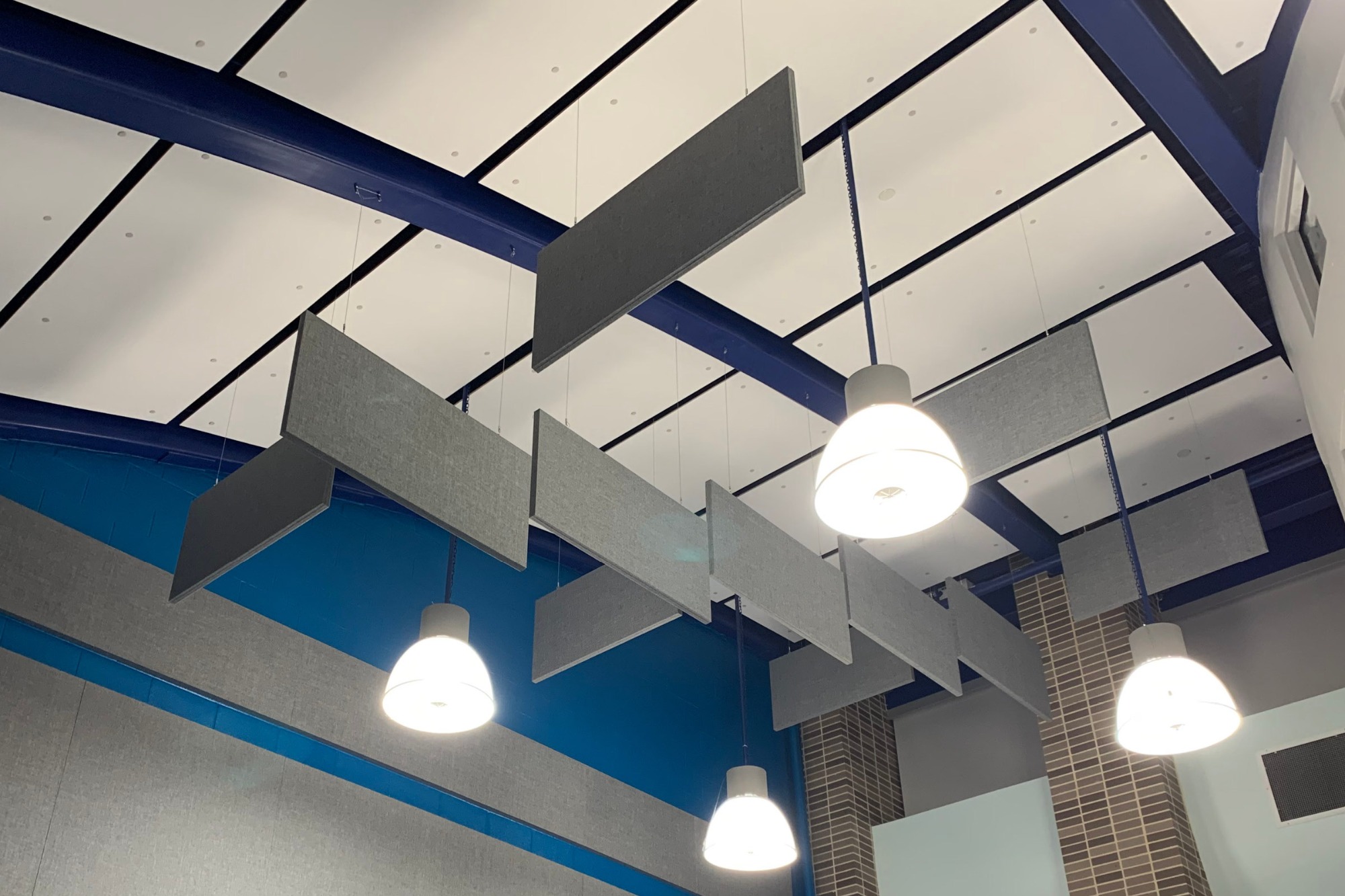
- Acoustic panels suspended from the ceiling
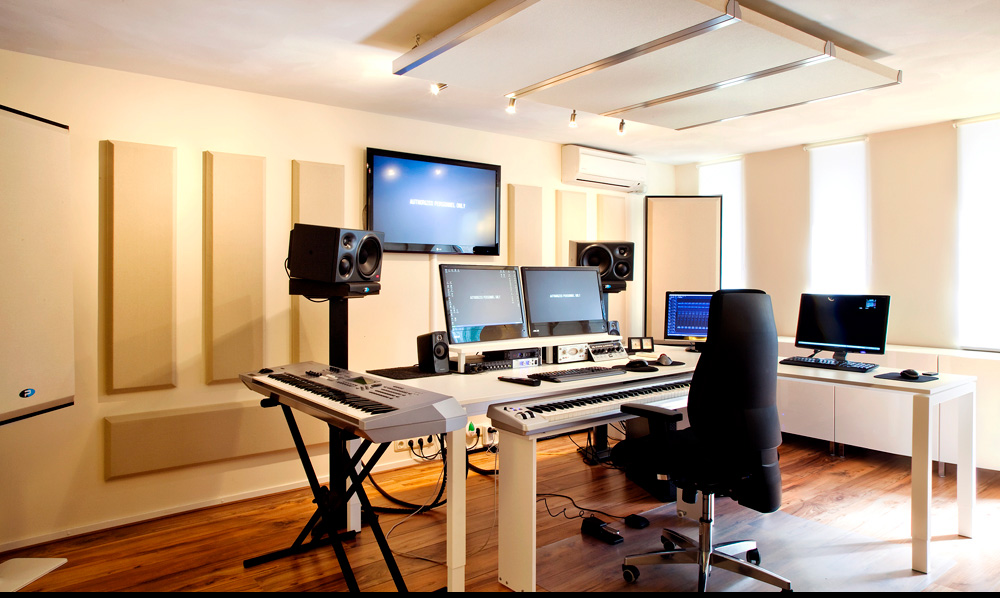
- Panels mounted on walls
While constructing partitions from floor to ceiling or moving away from the noise source is ideal for noise elimination, vertical panels significantly aid in reducing sound transmission.
— Boosting direct sound absorption with horizontal acoustic panels
Horizontal panels, while not as effective at preventing sound transfer as their vertical counterparts, are designed to enhance direct sound absorption. These panels convert incoming sound waves into heat through friction, thereby preventing their dispersion. Made from sound-absorbing materials or soft foam, our horizontal panels are engineered to excel at direct absorption.
Strategic placement of acoustic panels:
To maximize their effectiveness, it's crucial to determine the best locations for acoustic panels based on the room's purpose, existing furniture, and materials such as glass, plastic, and wood. While general advice is provided here, consulting our acoustic help desk for tailored recommendations and simulations is advisable.
In smaller spaces, like meeting rooms or private offices, sound waves typically first hit the walls, which are often the closest hard surfaces. Wall-mounted acoustic panels in these scenarios can absorb sound and minimize wave reflection back into the room.
Conversely, in larger spaces, sound waves behave differently. Although sound energy travels in any space, less of it reflects back in larger rooms, as the original sound may dissipate before reaching a hard surface. However, when sound waves do strike a hard surface, it's often the ceiling in these cases. Here, horizontal acoustic panels suspended from the ceiling can greatly enhance the space's acoustics by absorbing unwanted sound waves. For optimal performance, it's recommended to install panels at varying heights, creating air gaps that capture sound waves and prevent further propagation in high-ceilinged spaces.
We hope these insights encourage you to consider acoustic panels for your project. Remember, these panels can add a touch of playfulness and functionality to your interior design, so integrate them as a feature rather than concealing them. And for professional audio setups, don't forget the importance of high-quality line array speakers and robust sound systems in achieving a refined auditory experience. Incorporating pro audio equipment into your project can elevate the overall sound quality and ensure that your acoustic panels work in harmony with your sound system for the best possible outcome